If you're planning to register a medical device in Malaysia, one of the first things you'll need to figure out is your device classification. It might sound like a small step, but it shapes everything from the documents you prepare to how long approval takes with the Medical Device Authority (MDA).
Many businesses face delays simply because of incorrect classification. In this guide, we walk through each class with clear, practical examples so you know exactly where your device fits before you begin.
Key Takeaways
- Medical devices in Malaysia are classified into Class A, B, C, and D based on risk level.
- The higher the class, the stricter the regulatory requirements and documentation needed.
- Classification is determined by intended use, duration, and level of invasiveness — not just the product type.
- Misclassification is a common issue that leads to delays, rework, and longer approval timelines.
- Getting the classification right early ensures a smoother registration process with the MDA.
 How It Works
How Medical Devices Are Classified in Malaysia
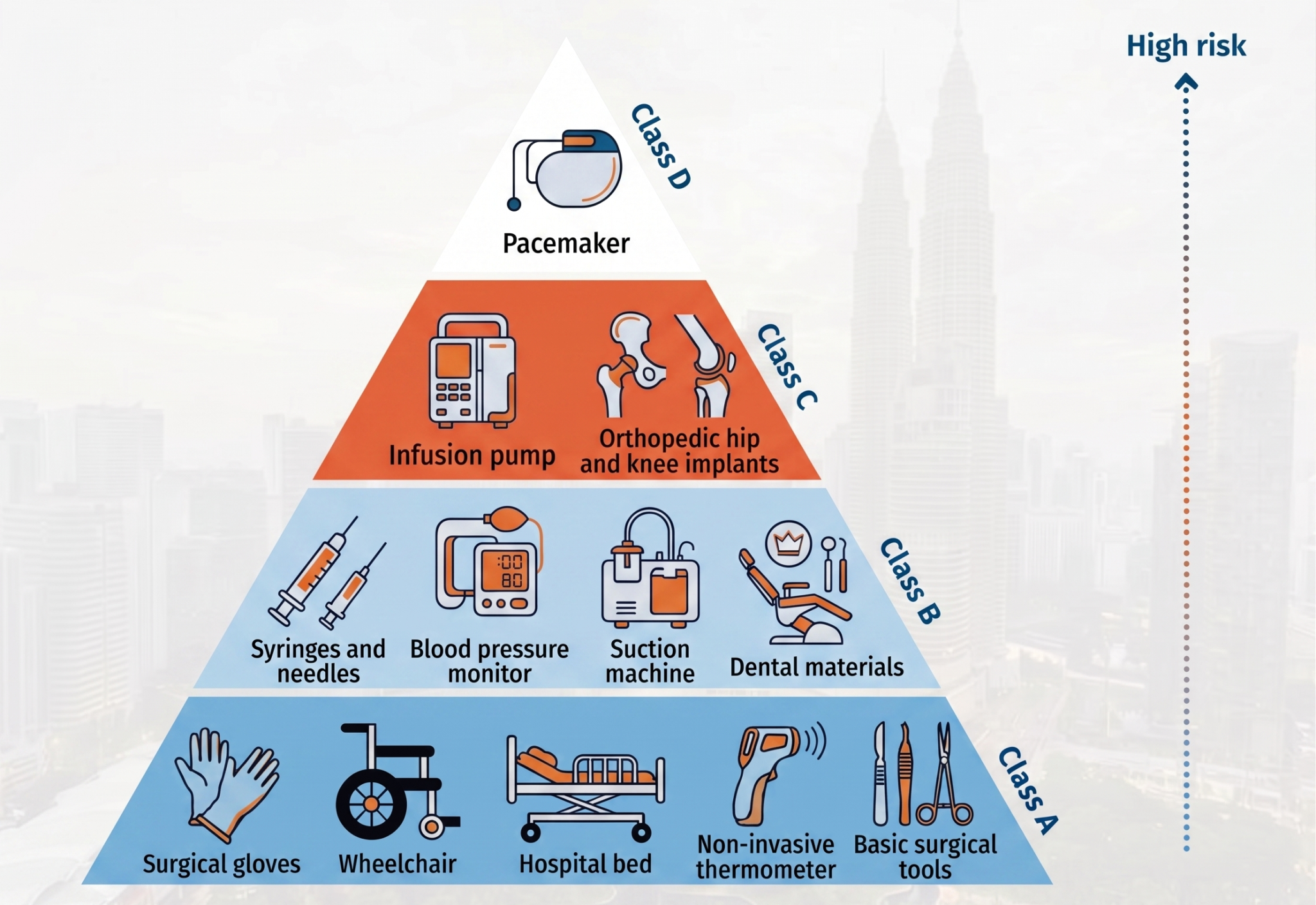
In Malaysia, medical devices are grouped based on risk level — from Class A (lowest risk) to Class D (highest risk). The classification depends on what the device is used for, how long it's used on the body, whether it's invasive, and the potential risk if something goes wrong. In simple terms: higher risk means stricter requirements.
Classification is not just about the product itself. Two devices can look almost identical, but one may be Class A while the other is Class B or higher — simply because of how the intended use is described or how the device interacts with the body. This is why looking at real examples helps make classification much clearer.
Class AClass A Medical Devices — Low Risk
- Surgical gloves
- Wheelchairs and hospital beds
- Non-invasive thermometers
- Basic surgical instruments
- Walking aids and crutches
- Non-sterile dressings
Class A devices are generally external or non-invasive, used for general support rather than active treatment, and are unlikely to cause serious harm if they malfunction. That said, "low risk" does not mean "no rules" — they still need to meet MDA regulatory requirements before entering the Malaysian market.
Class B Medical Devices — Low to Moderate Risk
- Syringes and hypodermic needles
- Blood pressure monitors
- Suction machines
- Dental materials and fillings
- Infusion sets
- Oxygen masks
Class B devices may enter the body briefly or assist in clinical procedures. They carry moderate risk if used incorrectly and require more structured technical documentation than Class A. This is where many companies first notice the process becoming more detailed and rigorous.
Class C Medical Devices — Moderate to High Risk
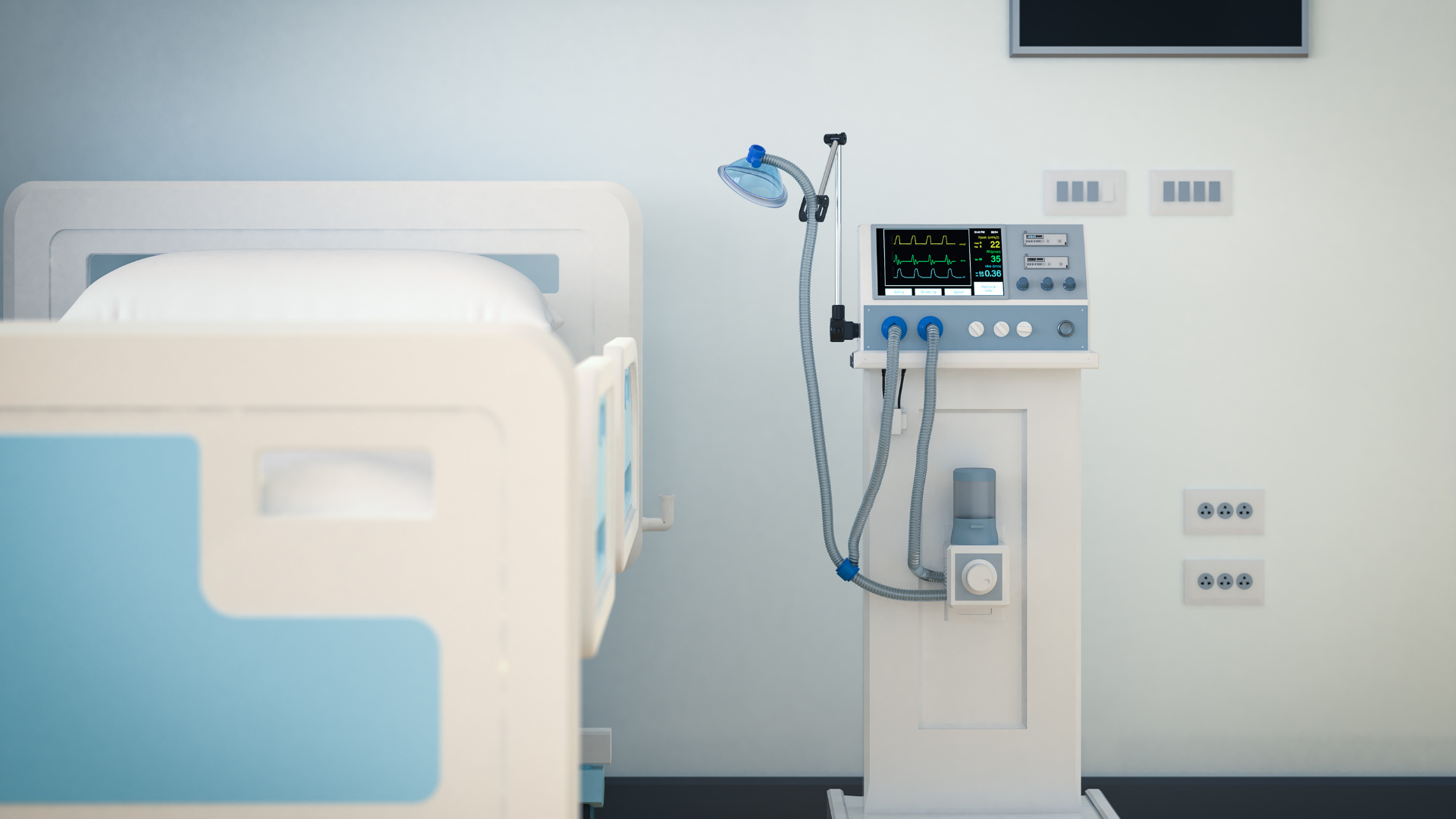
- Ventilators
- Infusion pumps
- Orthopedic implants
- Dialysis machines
- Bone fixation plates
- Blood bags
Class C devices are used in more serious medical situations — often for ongoing treatment or monitoring. They may remain in the body for extended periods or support essential functions. Formal conformity assessment by a registered CAB is required. Having a clear regulatory plan from the start can save significant time at this stage.
Class D Medical Devices — High Risk
- Pacemakers
- Heart valves
- Implantable defibrillators
- High-risk diagnostic test kits
- Cochlear implants
- Neurostimulators
Class D devices are critical to patient survival. They require the most extensive evidence, evaluation, and documentation before approval. These devices go through the strictest regulatory process in Malaysia — there is very little room for error during submission.
Common Grey Areas in Classification
Some devices don't fall neatly into one category. In these cases, classification depends heavily on how the product is positioned and described in your submission — which is why getting expert guidance early matters.
A device that performs both diagnostic and therapeutic functions may straddle two classes. The classification is typically determined by the primary intended use stated in the submission.
Some products are marketed for more than one use — each use may carry a different risk level. The highest-risk intended use generally determines the final classification.
A device used transiently (under 60 minutes) may fall into a lower class than the same device used long-term. Duration of body contact is a key classification factor that is often underestimated.
Whether a device relies on electrical power or operates mechanically can affect its classification. Learn more in our guide on active vs non-active medical devices.
Common Classification Mistakes Companies Make
Based on what we see during the registration process, these are the most frequent errors — and each one can result in reclassification, additional documentation requests, and significant delays.
Getting Classification Right from the Start
At TT Medical, we work closely with clients to ensure device classification is confirmed correctly before any documentation is prepared. Whether you're new to the Malaysian market or expanding your product line, we help make the process clearer and more manageable.
Final Thoughts
Device classification might seem like just another regulatory checkbox, but it plays a central role in how smooth your registration process will be. Getting it right early can save you time, cost, and unnecessary back-and-forth with the MDA.
If you're unsure where your device falls, it's always better to check before moving forward. A classification error that surfaces during review can add months to your approval timeline — and is almost always avoidable with the right guidance upfront. Explore our full device classification guide or contact our team to get started.
FAQ